EMDR
Eye Movement Desensitization and Reprocessing is a structured trauma therapy that helps the brain process distressing memories and reduce the intensity of triggers. Preparation, pacing, and stabilization are central to the work.
 Angelique M. Chess-StilesRegistered Associate Marriage & Family TherapistRequest consultation
Psychoeducation
Clear, compassionate information can help you recognize what your mind, body, and relationships are trying to protect—and approach change with greater choice and less shame.
Eye Movement Desensitization and Reprocessing is a structured trauma therapy that helps the brain process distressing memories and reduce the intensity of triggers. Preparation, pacing, and stabilization are central to the work.

EMDR can be adapted to a child’s age, language, attention span, and developmental needs. Play, stories, art, movement, and caregiver support may help a child understand difficult memories and build a sense of safety before reprocessing begins.
Some children imagine an inner “control room” where different feelings try to help or protect them. Creating their own emotion characters or drawings can make the process feel familiar, understandable, and less frightening.
DeprEnd is an EMDR-based protocol developed specifically for depression. It explores memories, beliefs, emotional patterns, and future concerns that may help maintain depressive symptoms, while building access to more adaptive experiences.
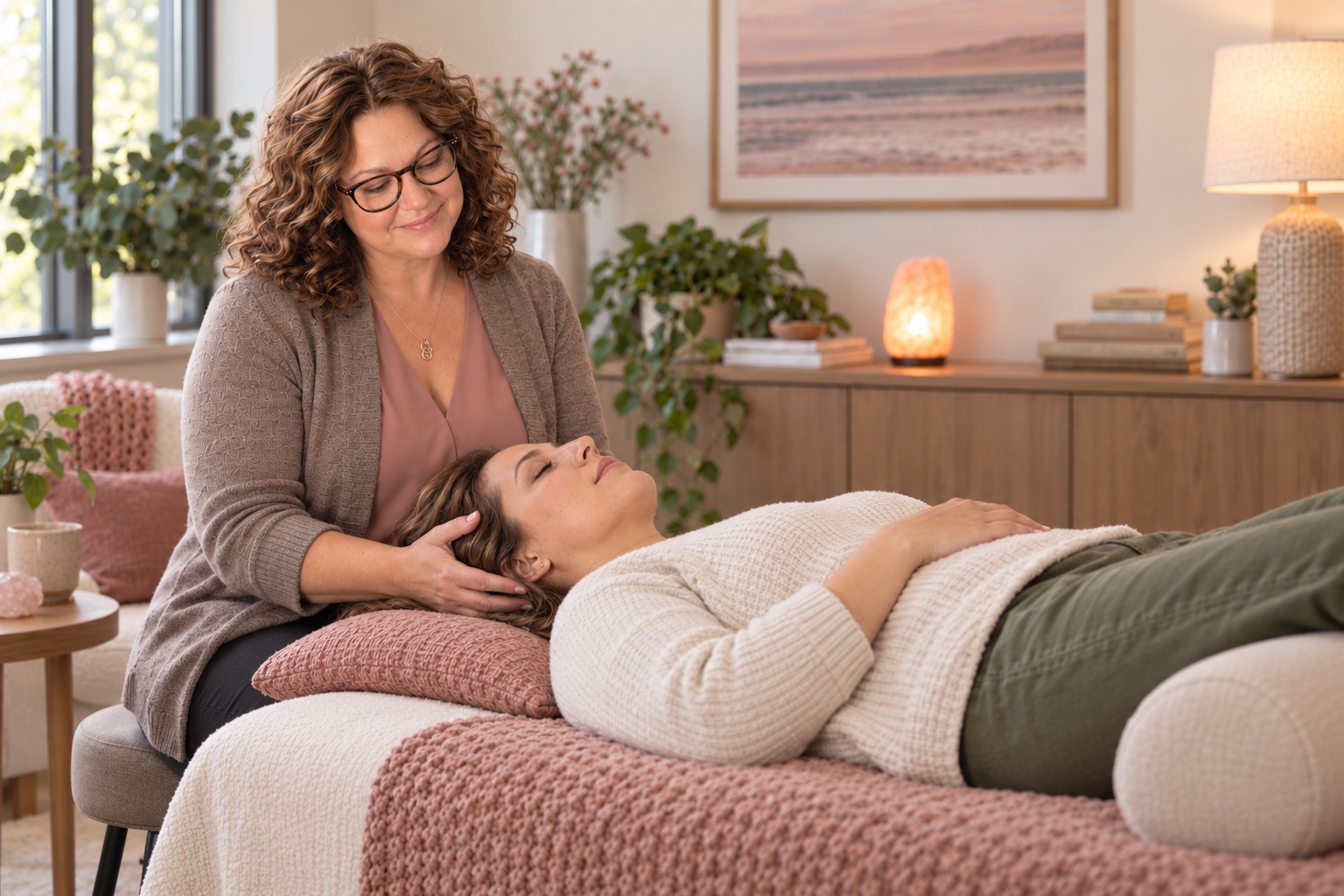
Body-oriented trauma care
Somatic Experiencing® was developed by Peter A. Levine, PhD, a psychologist and medical biophysicist who studied stress physiology and observed how animals in the wild often mobilize to survive a threat, then discharge that activation and return to ordinary activity.
Humans have the same protective biology, but overwhelming events, ongoing danger, immobility, social pressure, or the need to suppress fight-or-flight responses can leave the nervous system reacting as though danger is still present. People sometimes call this “trapped trauma.” It is a useful metaphor for persistent patterns of activation, shutdown, sensation, and protection—not a claim that a memory is literally stored in one body part. Animals can also show lasting trauma-like effects; the comparison is about their frequent opportunity to complete survival responses and return toward regulation.
A gentler way forward
When we have spent years living on autopilot—pushing forward, surviving the mess, and doing whatever was necessary to keep going—we can forget what it feels like to set our armor down. The body may no longer remember how to soften, rest, or feel safe without its familiar layers of protection. Even moments of calm can feel unfamiliar, frightening, or deeply vulnerable.
Together, we will gently help your body rediscover what safety feels like—not by forcing the armor away, but by honoring how faithfully it has protected you. As your nervous system begins to recognize that protection does not have to remain in place at every moment, you can learn to trust your body, your instincts, and yourself again.
The goal is not to move through life without fear or hardship, but to trust that you can meet difficult moments when they arise. You no longer have to live buried beneath the weight of constant protection. There can be room to soften, to rest more deeply, to experience vulnerability without losing yourself, and to become more fully present for the beauty, connection, and joy already waiting to be felt.
What sessions may involve
Rather than asking you to relive everything at once, SE works in small, tolerable steps. Practices may include orienting to present safety, noticing internal sensations, finding supportive resources, moving gently between ease and activation, and allowing incomplete defensive impulses to resolve. This pacing—often called titration and pendulation—is intended to widen the capacity to stay present, reduce overwhelm, and help the nervous system respond more flexibly.
The approach is collaborative and individualized. You remain in choice throughout the process, and body-based practices can be paused or declined at any time.

For couples navigating trauma
Past or present trauma can hijack a relationship—turning protective responses into distance, conflict, shutdown, or fear. Partner-inclusive support helps both people understand what is happening beneath the cycle.
Through psychoeducation and attachment-focused care, couples can learn to recognize trauma responses, communicate with less blame, create emotional safety, and support healing while honoring each partner’s needs and boundaries.
Request a consultation